




5 Mistakes Beginners Make When Using Electric Sewing Machines

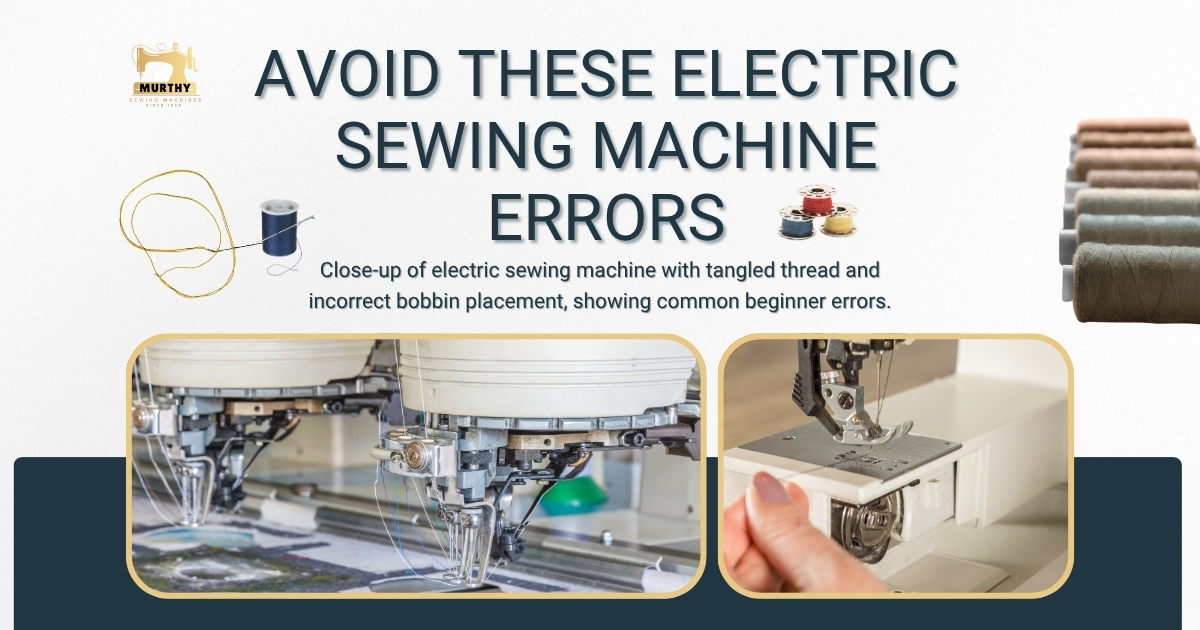
Using an electric sewing machine for the first time can feel exciting—but also a little overwhelming. Many beginners jump straight into stitching without knowing how the machine actually works. This usually leads to confusion, broken needles, tangled threads, and uneven stitches.
If you’re new to sewing, here are the five most common mistakes beginners make—and how to avoid them. These tips will help you sew smoothly, confidently, and without unnecessary frustration.
1. Starting Without Reading the Manual
Most people take the machine out of the box and begin using it immediately. But every sewing machine works slightly differently. Stitch selection, bobbin placement, thread tension, motor speed—each brand has its own method.
Why it’s a problem
Skipping the manual leads to incorrect threading, wrong bobbin setup, or using the wrong settings for your fabric. This is the reason behind 80% of beginner problems.
Easy fix
Spend just 10 minutes going through the basic pages of the manual. Learn:
- How to thread the top thread
- How the bobbin is placed
- How to select stitches
- How to adjust the tension
You’ll avoid most sewing issues immediately.
2. Incorrect Threading of the Machine
This is the number one mistake beginners make. Even a small mistake in threading—like missing the tension discs or not placing the thread through the take-up lever—will make the machine skip stitches or jam completely.
Why it happens
Threading looks simple but must follow the exact path shown in the manual.
How to fix it
- Always raise the presser foot before threading (this opens the tension discs).
- Follow the threading arrows on the machine slowly.
- Make sure the thread passes through the take-up lever.
- Pull 6–7 cm of thread behind the presser foot before stitching.
Correct threading instantly improves stitch quality.
3. Using the Wrong Needle or Not Changing It
New users think one needle works for everything. But needles become dull, bend, or break—especially when used on the wrong fabric.
Common beginner mistakes
- Using the same needle for months
- Sewing denim with a thin needle
- Using an old, bent, or rusted needle
Why it matters
A wrong or damaged needle can cause:
- Skipped stitches
- Thread breakage
- Holes in fabric
- Unnecessary machine noise
What to do
- Change the needle after every 8–10 hours of sewing.
- Use the right needle size for your fabric (ex: 14/90 for denim, 11/75 for light fabrics).
A fresh needle makes the machine run smoother and protects your fabric.
4. Ignoring Tension Settings
Thread tension decides how tight or loose your stitches are. Beginners often leave the tension dial on one setting and don’t touch it again.
The problem
Different fabrics need different tensions. If tension is wrong, you’ll see:
- Loose stitches
- Thread bunching under the fabric
- Uneven seams
- Broken threads
Simple fix
- Before sewing the final fabric:
- Test a sample piece
- Adjust the tension dial slightly
- Check if the stitch looks balanced
A little practice with tension settings makes a big difference in quality.
5. Sewing Too Fast Too Soon
Beginners get excited, press the foot pedal fully, and run the machine at full speed. This is one of the easiest ways to lose control, break needles, or ruin the seam.
Why slowing down helps
Electric sewing machines are powerful. High speed is useful, but only once you understand how to guide the fabric.
Better approach
- Start slow and steady
- Focus on guiding the fabric straight
- Gradually increase speed as you gain control
- Let the feed dogs pull the fabric—don’t push or pull
When you control the speed, your stitches instantly look more professional.
Final Thoughts
Every sewing beginner makes mistakes—it’s part of the learning process. But knowing what to avoid will save you a lot of time, frustration, and money.
If you take a few minutes to understand the machine, thread it properly, choose the right needle, adjust tension, and start at a comfortable speed, you’ll enjoy sewing much more.
Electric sewing machines are designed to make stitching easy—once you learn how to use them the right way.
Frequently Asked Question
Why does my sewing machine keep jamming?
Most jams happen due to incorrect threading or a poorly wound bobbin. Re-threading the machine slowly and correctly usually fixes it.
How often should beginners change the needle?
A needle should be changed after every 8–10 hours of stitching or whenever it bends, skips stitches, or breaks.
How can I avoid uneven stitches as a beginner?
Use the correct needle, check your tension settings, and let the machine feed the fabric instead of pulling or pushing it.
Is it normal for beginners to struggle with speed control?
Yes. Start slow and increase speed gradually as you gain confidence with the foot pedal.
Why does my thread break while sewing?
Common causes include incorrect threading, poor-quality thread, too much tension, or using the wrong needle size.