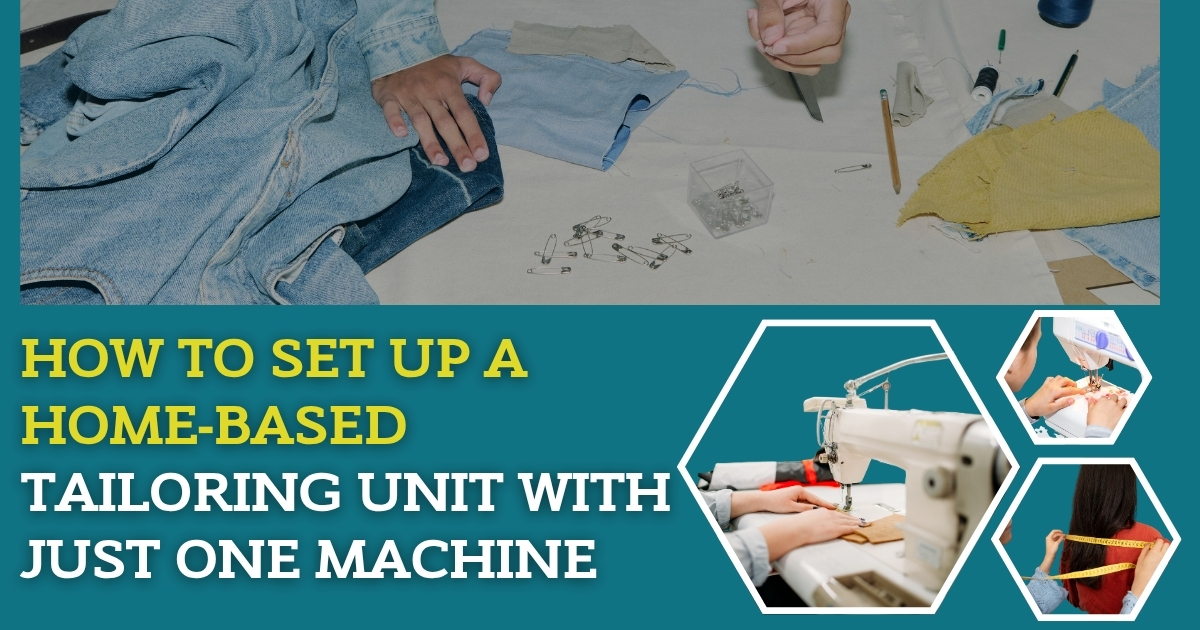
Starting a tailoring unit at home doesn’t require a big investment or complex setup. With just one reliable sewing machine and the right plan, you can launch a successful tailoring business—right from your living space. This guide walks you through everything you need to know to set up a productive, efficient, and scalable home‑based tailoring unit.
1. Define Your Business Focus
Before buying equipment, decide what you want to specialize in:
- Custom clothing (kurta, tops, men’s shirts)
- Garment alterations and repairs
- Kids’ wear or school uniforms
- Home décor (curtains, cushion covers)
- Small batch orders for events (drapes, tablecloths)
By focusing on one niche, you build skill, efficiency, and brand clarity.
2. Choose the Right Sewing Machine
Your machine is the foundation of your business. Opt for a model that combines efficiency, versatility, and support.
Recommended Features
- Lockstitch machine for general stitching work
- Direct‑drive motor for smooth and quiet operation
- Servo speed control for precise stitching
- Built‑in automatic features like thread trimming and knee lift
Suggested Models
- Jack F4C / A2C – Compact direct‑drive machines ideal for clarity and power
- Singer 9900 – Heavy‑duty servo machine with a variety of stitches
- Jack H6 – Robust machine for consistent stitching and accuracy
These tools offer high performance without occupying excessive space.
3. Create a Functional Workspace
A comfortable and organized workspace is essential for productivity:
- Location: Choose a well-lit corner or spare room
- Setup: A sturdy table, good lighting, and a comfortable chair
- Storage: Use shelves or cabinets to organize fabrics, threads, scissors, pins
- Work zones: Designate areas for cutting, stitching, pressing, and packing
A neat environment makes workflow efficient and reduces errors.
4. Learn Core Tailoring Skills
Even with a good machine, crafting quality garments requires skill. Invest time in:
Essential Techniques
- Accurate measurements and pattern cutting
- Seam types and finishing methods (French seam, overlocking)
- Pressing and ironing for crisp results
- Proper machine maintenance and daily cleaning
How to Learn
- Online workshops or local tailoring classes
- Practice by making sample garments
- Ask mentors or home‑tailor peers for guidance
- Strong foundational skills will help you deliver consistent quality and build a loyal clientele.
5. Register and Legally Set Up Your Business
Even a home‑based unit benefits from formal registration:
- Official Name: Register under sole proprietorship or household proprietor
- Tax Registration: Apply for GST if annual turnover crosses ₹2.5 lakh
- MSME/Udyam Benefits: Gain access to loans and business initiatives
A formal setup boosts credibility, enables financial benefits, and builds trust with potential clients.
6. Source Reliable Materials and Accessories
Quality programs depend on consistent supply of fabrics and materials:
- Visit local wholesale markets to compare prices and fabric quality
- Keep stock of essential tools: measuring tape, scissors, threads, needles
- Have spare needles, bobbins, and presser feet for quick replacements
Maintaining availability ensures smooth operations and timely delivery.
7. Set Up Pricing and Order Processes
Effective pricing and process systems are key to running efficiently:
- Offer fixed pricing per garment or stitch, with variation based on fabric
- Calculate costs for labor, electricity, materials, and packaging
- Use basic invoice templates for documentation—track orders and payments
- Offer discounts for bulk orders from schools or small businesses
Clear and structured systems reflect professionalism and reliability.
8. Market Your Home‑Based Tailoring
Local and online marketing work well for home-based businesses:
Offline Promotion
- Distribute cards to households and local stores
- Inform neighbors, friends, and community centers of your services
Online Promotion
- Use messaging platforms like WhatsApp to show before/after work
- Post sample work images on social media platforms without paid content
- Encourage satisfied clients to recommend your services
- Quick wins from referrals and community exposure often lead to the first few steady clients.
9. Ensure Quality & Build Customer Loyalty
Word-of-mouth referrals come from satisfied clients. Keep quality a priority:
- Double-check measurements before cutting
- Ensure neat seams and professional stitch finishes
- Deliver on time or early
- Package finished garments with care
- Follow-up for feedback and future suggestions
Client loyalty is your best marketing tool.
10. Scale Mindfully to Grow Your Business
Once you establish consistent orders, you can upgrade gradually:
- Upgrade to a second machine—a buttonholer or overlocker
- Hire a part-time assistant to help with cutting or packing
- Add new services: embroidery, monogramming, or custom printing
- Expand workspace into a small shop when demand increases
- Growth should be paced according to orders and capacity.
FAQs (Frequently Asked Questions)
Can I start tailoring with just one machine?
Absolutely. A single, reliable machine is enough to deliver quality work and grow gradually.
What initial investment is required?
Budget between ₹30,000 to ₹60,000, depending on machine quality and materials purchased.
Which machine is best for home tailoring?
Look for a direct-drive lockstitch model that is quiet, precise, and easy to maintain.
How do I find my first clients?
Start by networking with friends and neighbors, distributing flyers, or sharing images in local groups.
Is GST registration necessary at the start?
You can start without it. Once turnover reaches ₹2.5 lakh, it becomes necessary for legal and financial purposes.
Conclusion
Building a home‑based tailoring unit with just one sewing machine is both practical and rewarding. With careful planning, the right tools, and attention to quality, you can establish a thriving business-even from a small space.
The journey begins with a decision: choosing a capable machine, learning robust tailoring skills, and handling operations efficiently. With each satisfied client and completed order, your marketplace reputation grows, bringing in more business and opportunity.
Ready to turn a sewing passion into a profitable home business? The first stitch begins here.