




How to Maintain Your Sewing Machine for Long-Lasting Performance

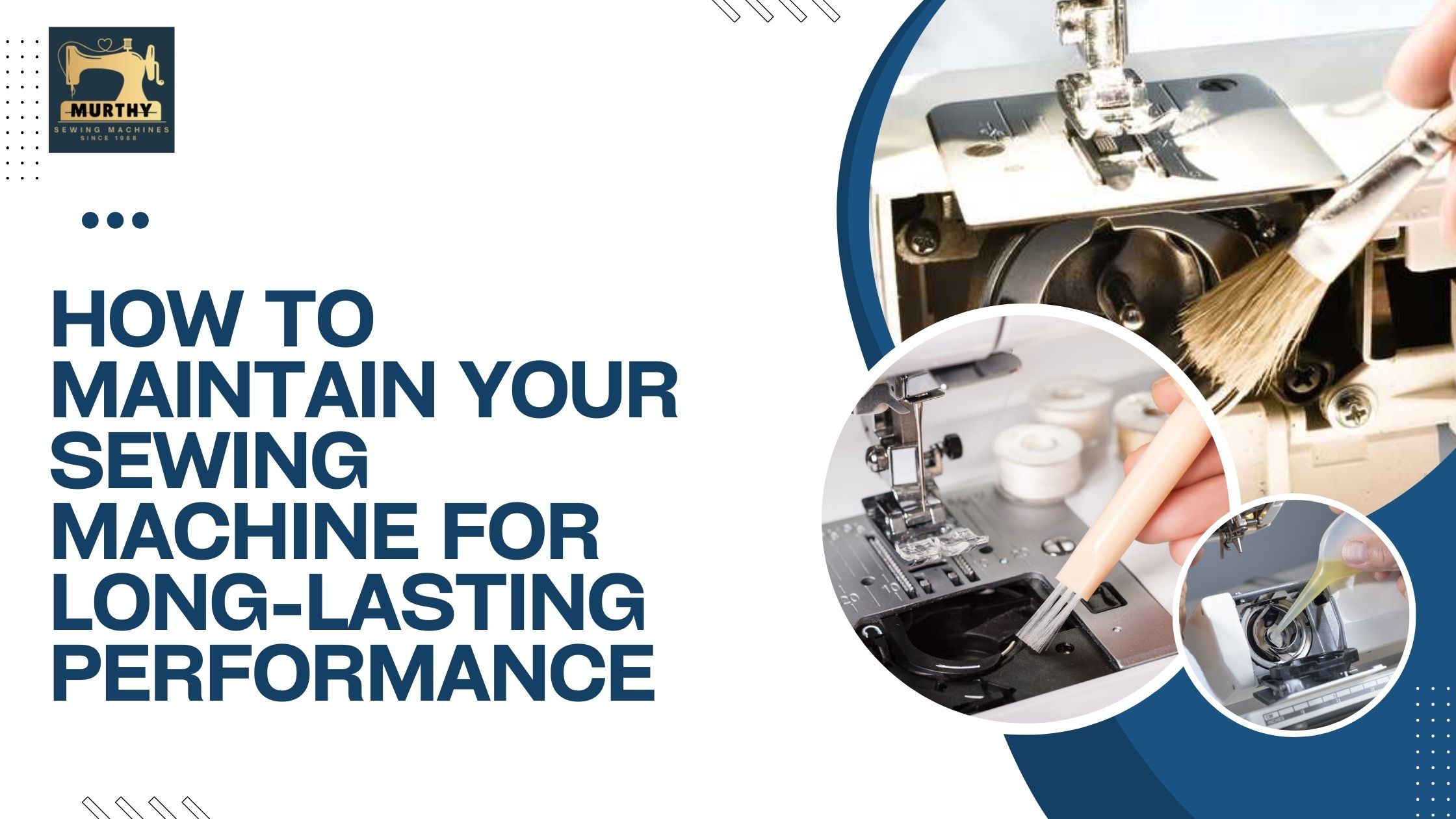
A well-maintained sewing machine can last for years and deliver flawless stitches. Whether you use a domestic or industrial model, proper maintenance ensures smooth operation, prevents costly repairs, and extends the life of your machine. In this guide, we will cover essential sewing machine maintenance tips, cleaning routines, and troubleshooting techniques.
1. Why Sewing Machine Maintenance is Important
Regular maintenance prevents common problems like thread breakage, skipped stitches, and tension issues. It also helps keep the motor and moving parts in optimal condition, ensuring consistent performance for all your sewing projects.
2. Essential Sewing Machine Maintenance Tips
A. Keep Your Sewing Machine Clean
Lint, dust, and fabric fibers can build up inside your sewing machine, causing it to malfunction. Follow these steps to clean your machine properly:
✔ Remove the needle plate and bobbin case regularly to clean trapped lint.
✔ Use a soft brush or a vacuum attachment to remove dust from hard-to-reach areas.
✔ Wipe the exterior with a dry cloth to keep it free from dust and dirt.
B. Oil Your Sewing Machine
Proper lubrication reduces friction between moving parts and keeps your machine running smoothly.
✔ Use only sewing machine oil (avoid household oils).
✔ Apply a few drops of oil to designated points as mentioned in your machine’s manual.
✔ Run the machine without threading to distribute the oil evenly.
C. Check and Replace Needles Regularly
A dull or bent needle can lead to skipped stitches and fabric damage.
✔ Change your needle every 8-10 hours of sewing.
✔ Use the right needle for different fabrics (e.g., ballpoint needles for knits, heavy-duty needles for denim).
D. Adjust Thread Tension Correctly
Incorrect thread tension can result in uneven stitches.
✔ Ensure the upper and bobbin threads are threaded correctly.
✔ Test tension settings on a scrap fabric before starting a project.
✔ Refer to your sewing machine manual for tension adjustment guidelines.
E. Keep the Bobbin Area Clean
A dirty bobbin case can cause stitching problems and thread jamming.
✔ Remove the bobbin and clean the case regularly.
✔ Use a lint-free cloth to wipe away dust and debris.
✔ Ensure the bobbin is wound properly and inserted correctly.
F. Store Your Sewing Machine Properly
When not in use, cover your machine to protect it from dust and moisture.
✔ Use a sewing machine cover or case.
✔ Store in a dry, cool place to prevent rust and damage.
✔ Avoid direct sunlight exposure, which can cause plastic components to weaken over time.
3. Common Sewing Machine Problems and How to Fix Them
A. Sewing Machine Skipping Stitches
✔ Check and replace the needle if it’s dull or bent.
✔ Ensure proper threading of the upper and lower threads.
✔ Adjust thread tension settings if needed.
B. Thread Bunching Under Fabric
✔ Rethread the machine, ensuring the bobbin is correctly inserted.
✔ Adjust the tension settings for a balanced stitch.
✔ Clean the bobbin case and remove any lint buildup.
C. Machine Not Stitching Properly
✔ Check the needle position and threading.
✔ Ensure the presser foot is down before sewing.
✔ Examine the feed dogs for lint or obstructions.
D. Noisy or Slow Sewing Machine
✔ Lubricate the machine if it has been running dry.
✔ Tighten loose screws or parts that might be causing vibrations.
✔ Remove debris from moving parts and apply a drop of sewing machine oil.
4. Where to Get Sewing Machine Servicing?
If your machine requires professional servicing, visit Murthy Sewing Machines for expert repairs and maintenance. We provide reliable servicing for domestic, industrial, and embroidery sewing machines to keep them in top condition.
Frequently Asked Questions (FAQs)
1. How often should I clean my sewing machine?
For regular use, clean your machine after every major project or at least once a month to prevent lint buildup.
2. Can I use any oil for my sewing machine?
No, always use sewing machine oil as other types of oil may damage internal components.
3. What is the best way to prevent sewing machine rust?
Store your machine in a dry, dust-free area and cover it when not in use.
4. Why is my thread breaking frequently?
This could be due to a damaged needle, incorrect threading, poor-quality thread, or excessive tension.
5. How do I know when my machine needs professional servicing?
If you experience persistent stitching issues, excessive noise, or frequent thread jams, it’s time for a professional check-up.