



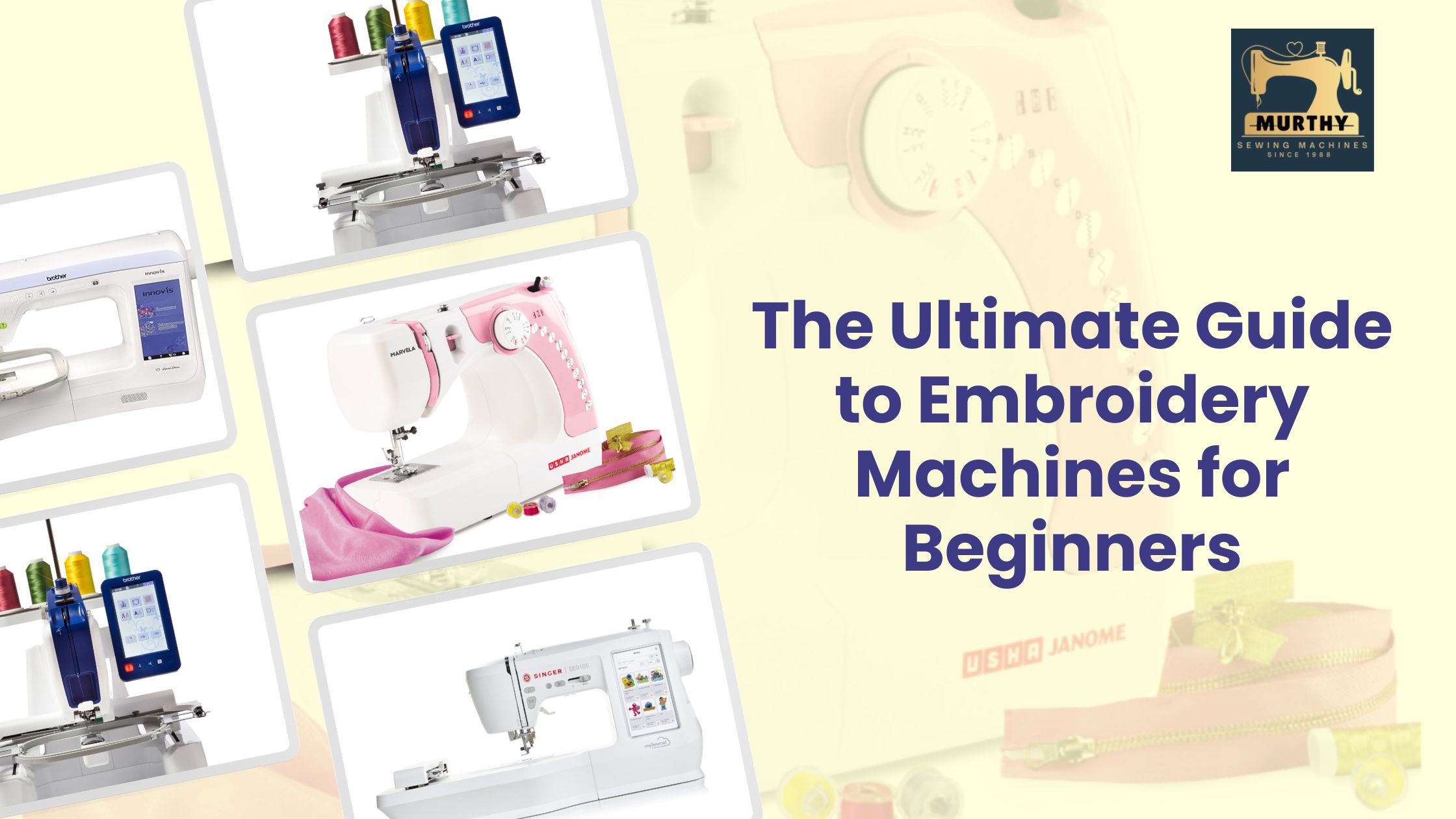
The Ultimate Guide to Embroidery Machines for Beginners

Introduction
Embroidery is a timeless craft that allows you to personalize fabrics, create intricate designs, and bring creative ideas to life. Whether you want to monogram towels, decorate garments, or start a home embroidery business, having the right embroidery machine is essential.
For beginners, selecting the perfect embroidery machine can feel overwhelming. With so many models available, it’s crucial to understand the key features and functions that will help you get started without frustration. This guide will break down everything you need to know about embroidery machines for beginners—from how they work to the best models to consider.
What is an Embroidery Machine?
An embroidery machine is a computerized sewing device that creates decorative patterns on fabric. Unlike traditional sewing machines, which primarily join pieces of fabric together, embroidery machines allow users to digitally program intricate designs and stitch them onto textiles automatically.
These machines range from simple models with preloaded designs to advanced machines that allow full customization. For beginners, it’s essential to choose a machine that is user-friendly, efficient, and capable of growing with your skills.
Key Features to Consider in an Embroidery Machine
When shopping for your first embroidery machine, there are several important factors to consider:
1. Embroidery Area
The embroidery area determines how large your designs can be stitched without re-hooping the fabric. A beginner-friendly size is 4” x 4”, but if you plan to work on larger projects, a machine with a 5” x 7” or larger embroidery area would be beneficial.
2. Built-in Designs and Fonts
Most beginner embroidery machines come with built-in embroidery patterns and fonts for lettering. A higher number of built-in designs provides instant creative options without needing to import external designs.
3. Connectivity Options
Modern embroidery machines allow you to import custom designs via USB ports or wireless connectivity. This feature is essential if you want to expand beyond built-in patterns and use custom embroidery software.
4. LCD Touchscreen Display
A clear, intuitive display makes it easier to preview designs, adjust settings, and navigate menus. Many advanced beginner machines include full-color touchscreens that provide better visualization before stitching.
5. Automatic Features
To make embroidery easier, look for:
- Automatic Needle Threading – Saves time and reduces eye strain.
- Automatic Thread Cutter – Cuts excess thread for a clean finish.
- Bobbin Winding System – Makes thread setup seamless.
6. Hoop Sizes & Adjustable Tension
Beginners should start with standard-sized hoops (4” x 4”) before exploring larger or multi-hoop capabilities. Machines with adjustable thread tension prevent thread breakage and ensure smooth stitches.
Best Embroidery Machines for Beginners
Based on ease of use, affordability, and performance, here are some of the best embroidery machines to get started:
1. Brother PE800 Embroidery Machine
- 5” x 7” embroidery area – Ideal for medium-sized projects.
- 138 built-in designs & 11 fonts – Great variety for monograms and decorative stitching.
- USB Port for Custom Designs – Expand your creative options effortlessly.
- Automatic Needle Threader – Saves time and effort.
This machine is perfect for beginners who want a reliable embroidery machine with advanced features to grow with their skills.
2. Janome Memory Craft 400E
- 7.9” x 7.9” embroidery field – Great for larger designs.
- 160 built-in designs & 6 fonts – More creative possibilities.
- LCD touchscreen – Easy preview and editing.
- High-Speed Embroidery – Stitches at 860 stitches per minute.
This machine is excellent for serious beginners who plan to embroider on various fabrics and want a larger work area.
3. Brother SE600 Sewing & Embroidery Machine
- 4” x 4” embroidery area – Perfect for beginners.
- 80 built-in embroidery designs – A great starting point.
- Combination Machine – Works as a sewing and embroidery machine.
- Color LCD touchscreen – Edit and customize designs easily.
This is the best choice for beginners who also want a sewing machine along with embroidery features.
Tips for Beginners Starting with Embroidery Machines
Starting your embroidery journey can be exciting but requires practice. Here are some expert tips to help you:
1. Start with Simple Designs
Beginners should practice with built-in designs before moving to custom patterns. This helps you get comfortable with hooping fabric, thread tension, and machine settings.
2. Use High-Quality Thread & Stabilizers
- Use polyester or rayon embroidery thread for better durability.
- Choose the right stabilizer (tear-away, cut-away, or water-soluble) to prevent fabric puckering.
3. Learn Basic Machine Maintenance
- Clean your machine regularly to remove lint buildup.
- Keep extra needles and bobbins on hand for smooth operation.
4. Experiment with Different Fabrics
Start with cotton or linen, as they are easier to embroider on. As you gain confidence, try working with denim, silk, or stretchy fabrics.
5. Join Online Embroidery Communities
Connect with other embroidery enthusiasts through online forums, social media groups, and video tutorials. Learning from experienced users can help you improve your techniques faster.
Conclusion
Embroidery is an incredible craft that blends creativity and technology. Whether you’re personalizing gifts, designing home décor, or starting a small embroidery business, choosing the right machine is the key to success.
For beginners, user-friendly machines with automatic features, built-in designs, and expandable options make the learning process smoother. Machines like the Brother PE800, Janome Memory Craft 400E, and Brother SE600 offer the perfect balance of functionality and affordability to get started.
With practice, patience, and the right tools, you’ll be creating beautiful, professional-quality embroidery designs in no time! So, pick the best machine that fits your needs and begin your embroidery journey today!