Servo Motor

The Sewing Machine Servo Motor: A Revolution in Sewing Industry

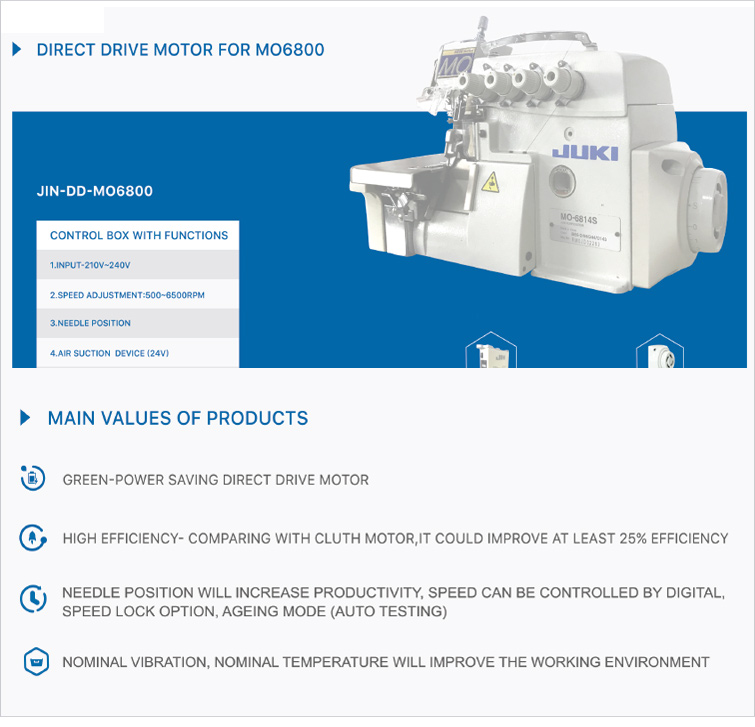
The development of sewing machines is the game-changer in the world of sewing, and technological advancements in the sewing machine servo motor created a massive evolution in the way of sewing. Whether it is set up in a home or industrial setting, the top-notch sewing machine servo motor became a hit in the sewing community. In this blog, we will explore the magic behind sewing machine servo motors so you can get a well-rounded understanding of sewing machine servo motors and their significance. Let’s see what informational things can be uncovered through this blog!

What is Sewing Machine Servo Motor?

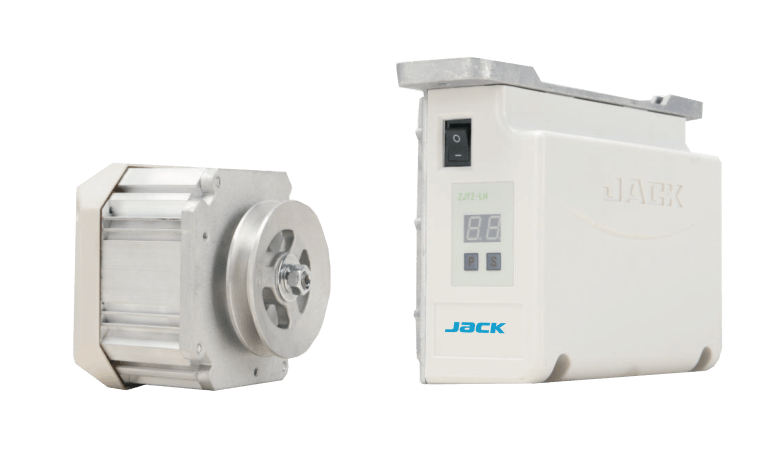
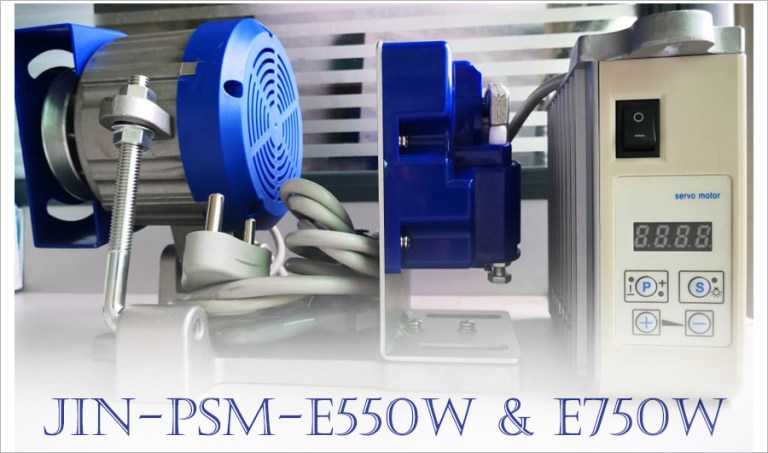
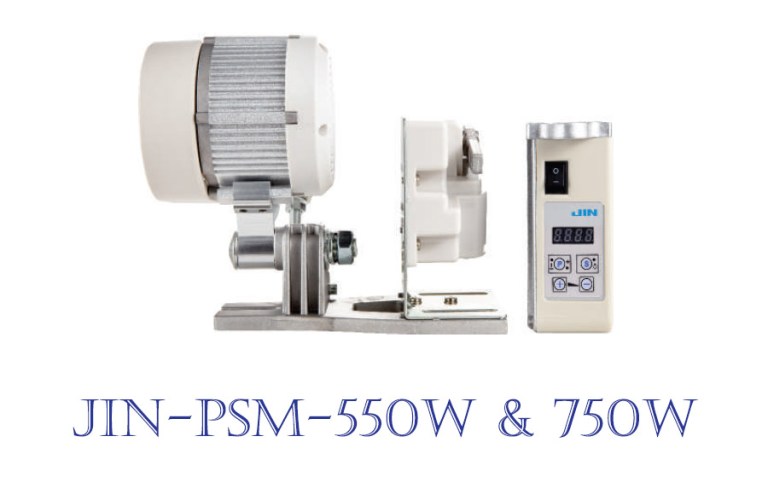
Let’s start this blog with basic queries that might arise while knowing about the sewing machine servo motor; on top of the list, the first question will be: What is a Sewing Machine Servo Motor? Yes, before jumping into the deep information on Sewing Machine Servo Motors, you need to get a clear understanding of the basics; the sewing machine servo motor is a small but powerful device that provides motion to your sewing machine. It’s not like your traditional sewing machine, which runs constantly at a fixed speed. Here in the sewing machine, the servo motor is designed so that you can control the start and stop precisely as needed while you are sewing; it’s like you are the master of your machine! Doesn’t that give more benefits than your regular machine?

What are the Types of Sewing Machine Servo Motor?

Next, you need to know about the Types of Sewing Machine Servo motors; as you have already gasped, many Sewing machine servo motors come in various types and configurations that are designed to suit every sewing need and its application. Listed are some of the common types of sewing machine servo motors that would significantly impact the efficiency and performance of your sewing projects.

Brushless Servo Motor

Brushed Servo Motor

Compact Servo Motor

High-Torque Servo Motor

Low-Speed Servo Motor

Multi-Speed Servo Motor

Smart Servo Motor

Retrofit Servo Motor

Programmable Servo Motor

What are the benefits of a servo motor for a sewing machine?

One of the important things you need to know about servo motors is how amazing they are in your sewing projects. It is definitely your sewing companion to do your sewing to turn into a beautiful process. Also, it works as the biggest confidence booster for many beginner-level sewers since it is a preferred choice for all sewers, including hobbyists and professional tailors.

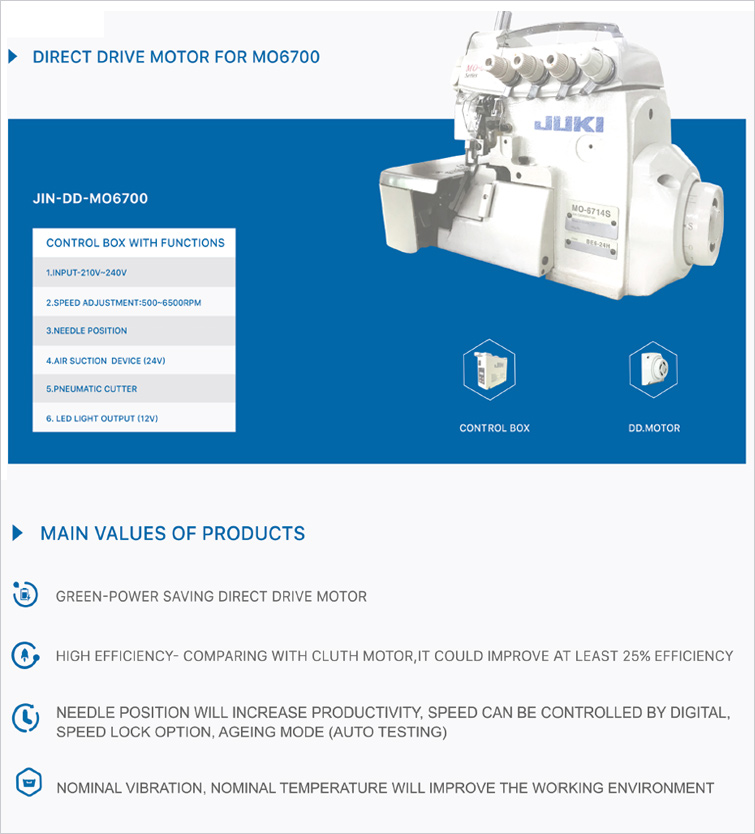
Do you know why stitchers prefer this? The servo motors only use power when you’re actively sewing; isn’t that pretty interesting and beneficial? It not only saves energy but also reduces your electricity bill.

And are you bothered by the noisy whirring of a sewing machine motor? Then it’s time for you to switch to servo motors since they are quiet with a humming sound, and who doesn’t love a peaceful sewing process?

If you are tired of not having control over a sewing machine, then the servo motors are here to rescue you; with servo motors, you have control over your sewing machine with a smooth start, speed, and gradual stopping of the device.

Here is a quick note to go through the benefits of the servo motors:

Precise speed control

Energy efficiency

Quiet operation

Smooth start and stop

Better speed consistency

Longer motor life and fewer repair costs

Wide range of speeds

It is ideal for heavy fabrics for a variety of sewing projects

Environmentally friendly and overall energy consumption

User-friendly for sewers of all skill levels, from beginners to experienced professionals

Upgrade compatibility without having to purchase a new device.

How does a Sewing Machine Servo Motor Work?

How would a sewing machine servo motor work have already piqued your mind? Let’s discover the working process of it. A sewing machine servo motor is a type of electric motor that can be precisely controlled in terms of speed, torque, and position.

Here is a quick guide on how a servo motor works, which gives you a long service life with easy maintenance.

The operator presses the foot pedal to start the sewing machine.

This sends a signal to the servo motor controller.

The controller then sends a signal to the servo motor, telling it to start rotating.

The servo motor rotates the shaft, which in turn drives the needle and feeds dog of the sewing machine.

The position sensor monitors the position of the rotor and sends this information back to the controller.

The controller compares the actual position of the rotor to the desired position and then sends a signal to the motor to correct any errors.

This process continues until the operator releases the foot pedal, at which point the servo motor stops rotating.

Where to buy a Sewing machine Servo Motor in Chennai?

You can buy a sewing machine servo motor from the best Sewing Machine Shop in Chennai; Murthy Sewing Machines often delivers a range of sewing machine accessories, including servo motors.

Frequently Asked Questions

How many watts is a sewing machine servo motor?
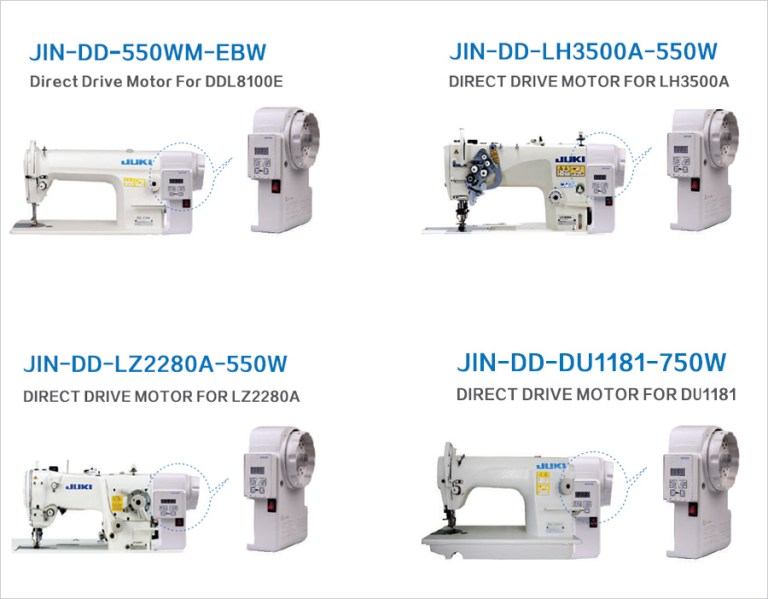
Sewing machine servo motors come in a variety of wattages, ranging from around 200 watts to 1000 watts or more.

Can I retrofit my old sewing machine with a servo motor?
It is possible to retrofit an old sewing machine with a servo motor.

Are sewing machine servo motors suitable for industrial sewing machines?
Yes, sewing machine servo motors are suitable for industrial sewing machines.

Are servo motors more energy-efficient than clutch motors?
Yes, servo motors are more energy-efficient than clutch motors.

What is the motor capacity of the Juki sewing machine?
Juki sewing machines come with a variety of motors, depending on the specific model.