


Sewing Machine Maintenance – Tips for Smooth Stitching

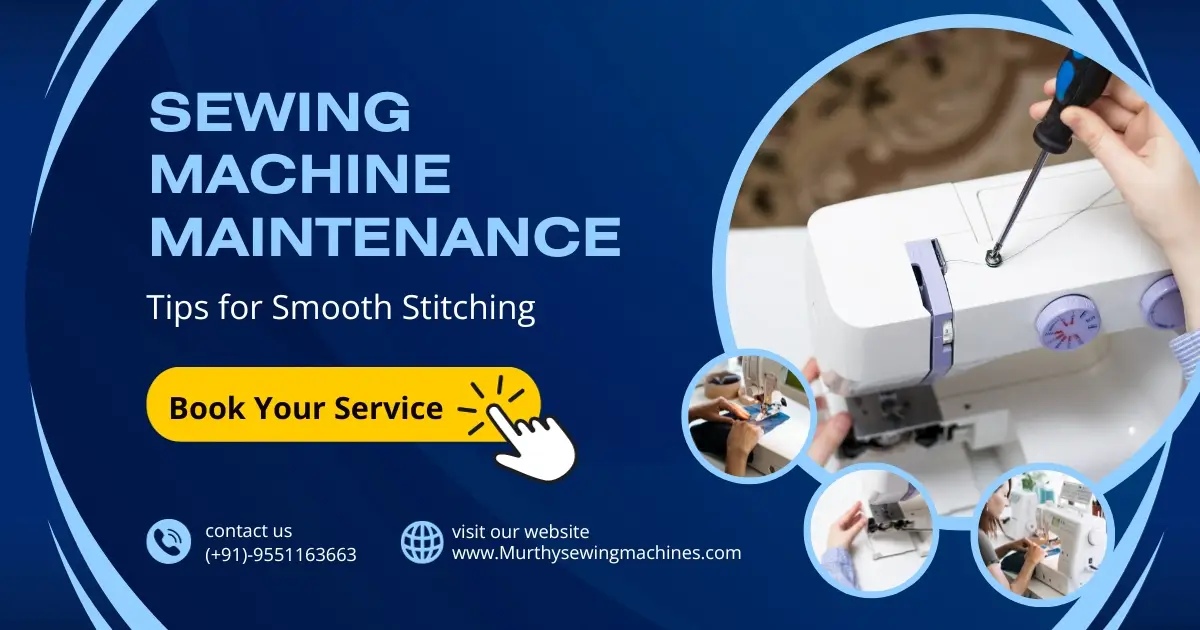
Sewing Machine Maintenance
You own a sewing machine, you love your sewing machine, and you know how to use your sewing machine, but the first and foremost of owning a sewing machine is knowing how to maintain it with bare minimal effort that would help your sewing style with a smooth stitching process. If you’re wondering how to, this article can be your complete guide.
While there are many different sewing machines out there, some maintenance needs that need to be followed are the same for all of them. It is important to know the value of maintaining a sewing machine since it is crucial for your machine to be in a well-maintained phase throughout its lifespan and does all mandatory roles in sewing to make sure it works smoothly, creates better stitches, and prevents small issues from turning into big problems.
By following the tips mentioned in this article and using your machine’s manual or catalog, you can make your machine last longer and ensure it’s ready for all your sewing projects.
Common Sewing Machine Maintenance Tips
Cleaning Your Machine Part by Part
One of the main things you can concentrate on sewing machines is taking quick notice of how well your machine works. If you have a constant knowledge of how it works, then you know when to add oil to it to make the stitches and motor better. Usually, you can oil the parts regularly if you are using your sewing machine every day. You can start cleaning one part at a time to keep track of what you are covering. This way, you will also remember where each piece or part of the sewing machine goes if you are not a professional technician who can set up a sewing machine by yourself.
Brushing Your Machine
A quick brush of the moving parts can prevent issues. That can be caused by dirt building upon it. It is a common issue that appears in all sewing machines since many won’t cover the sewing machine. It gets dust and dirt, which sometimes indirectly affects the performance of the sewing machine. Make sure to use a clean brush and replace it if the bristles are old or brittle. Gently brush around the machine to remove debris.
Using Compressed Air for Cleaning
The air compression cleaning can be your sewing savior since it helps to clean your sewing machine thoroughly. Compressed air can help you reach areas you can’t access easily, like feed dogs, tension discs, and the bobbin area. After every project that is done and dusted, it is essential to prepare your sewing machine for your next project or generally keep it well maintained. An additional tip is to keep the nozzle about four inches from the machine to avoid introducing moisture and also ensure the lint has an exit route so you’re not forcing it deeper into your machine.
Wiping Down the Machine After Each Use
Once you have finished using your sewing machine, remember to unplug it and then grab a clean rag to wipe away any dust or debris from the bobbin case and other areas where dust tends to be. This simple step can help keep your machine in good working condition.
Covering Your Machine
It would be best if you considered covering our sewing machine when it is not in use. It can prevent the dust and dirt from your sewing machine. If you make your cover, choose a breathable fabric to prevent condensation inside the cover. You should ensure that the cover tightly 0revents and fist the sewing machine to keep out as much dust as possible.
Oiling Your Machine
Always refer to your machine’s user manual to know what type of oil to use in your sewing machines; if there is no specific oiling, then you can use the normal one that you always use at home. Some machines may have self-lubricating parts and won’t require manual oiling, so make sure you are viewing the manual once before oiling. Use sewing machine oil, as other oils can gum up the machine. Try to apply oil only to the designated points, and don’t overdo it, as this can attract more lint and dust.
Changing Needles Regularly
One thing you need to be careful of while using the sewing machine is choosing the right needle type that fits the fabric you are working with, like ballpoint for knits, sharp for woven fabrics, or denim needle for heavy materials. Also, it is essential to keep track of when you last changed the needle since regular replacement of the needle is also helpful in a smooth stitching process. Inspect needles regularly for signs of wear, such as bent or blunt tips, to avoid tears in your valuable clothes before sewing.
Video Guides for Sewing Machine Maintenance
Sewing machines can be easily maintained if you watch some of the video tutorials of the specific sewing machine models that you have. This method of learning can make your doubts about maintenance sewing machines less and can be handled easily without fearing that you might go wrong. Watch instructional videos that cover topics such as oiling, cleaning, fixing tension problems, and adjusting timing to improve your maintenance skills. There are also some step-by-step visual instructions to guide you in every process of maintenance.
Annual Servicing & Professional Machine Repair
Regularly maintaining the sewing machine is essential and servicing it with professional machine repair is necessary for optimal sewing machine performance. A skilled technician can set your sewing machine with fine-tuned timing tension and address inaccessible repair issues that can only be done by a professional technician. Doing service once a year from a professional sewing technician can extend your sewing machine’s lifespan and also the quality of the stitching.
How To Prevent Sewing Machine Problems?
- Change needles after each project or every 8 hours of use.
- Use the right needle for your fabric.
- Don’t overwind the bobbin; wind it correctly.
- Use good-quality thread and the appropriate presser foot.
- Watch out for metal objects like pins, sew carefully, and feed fabric smoothly to avoid jams.
- Keep thread tails clear when starting seams to prevent tangles.
These simple tips can ensure your sewing machine runs smoothly, making your sewing projects more enjoyable and comfortable.
Conclusion
Proper sewing machine maintenance is essential for uninterrupted and smooth sewing and successful project completion for every sewing enthusiast and professional. The above tips signify the importance of maintaining your sewing machine for a long and productive sewing journey. Happy sewing!